2026 Travel Trends
What I'm loving for 2026 is that travel is becoming increasingly more of a personal expression. It's truly a reflection of how people want to feel, move, and live, even if only for a short time. More travelers are choosing trips because of a hotel, lodge, or journey itself, rather than a headline destination. It's about the feelings that are created in the experience of travel as much as where you're staying.
This shift is shaping a new era of tourism defined by slow and meaningful pacing, immersive rail travel, conscious design, and accessibility-forward planning. Below are the trends that I'm seeing shape and define 2026 Travel Experiences.
Hotels and Accommodations as Personal Statements

Photo courtesy of Six Senses La Sagesse
Hotels in 2026 are no longer neutral places to sleep. They are intentional environments, designed to support rest, creativity, connection to place, and identity.
Travelers are now planning trips around:
A thoughtfully designed boutique hotel
A remote eco-lodge embedded in nature
A heritage property that reflects local culture
A wellness-forward retreat that supports physical and mental reset
In many cases, the accommodation becomes the anchor of the trip. This is especially true for travelers seeking fewer transitions and logistics, high-quality downtime, and spaces that feel calm and grounding. The result is fewer stops, longer stays, and deeper immersion.
2. Slow and Meaningful Pacing: The New Luxury
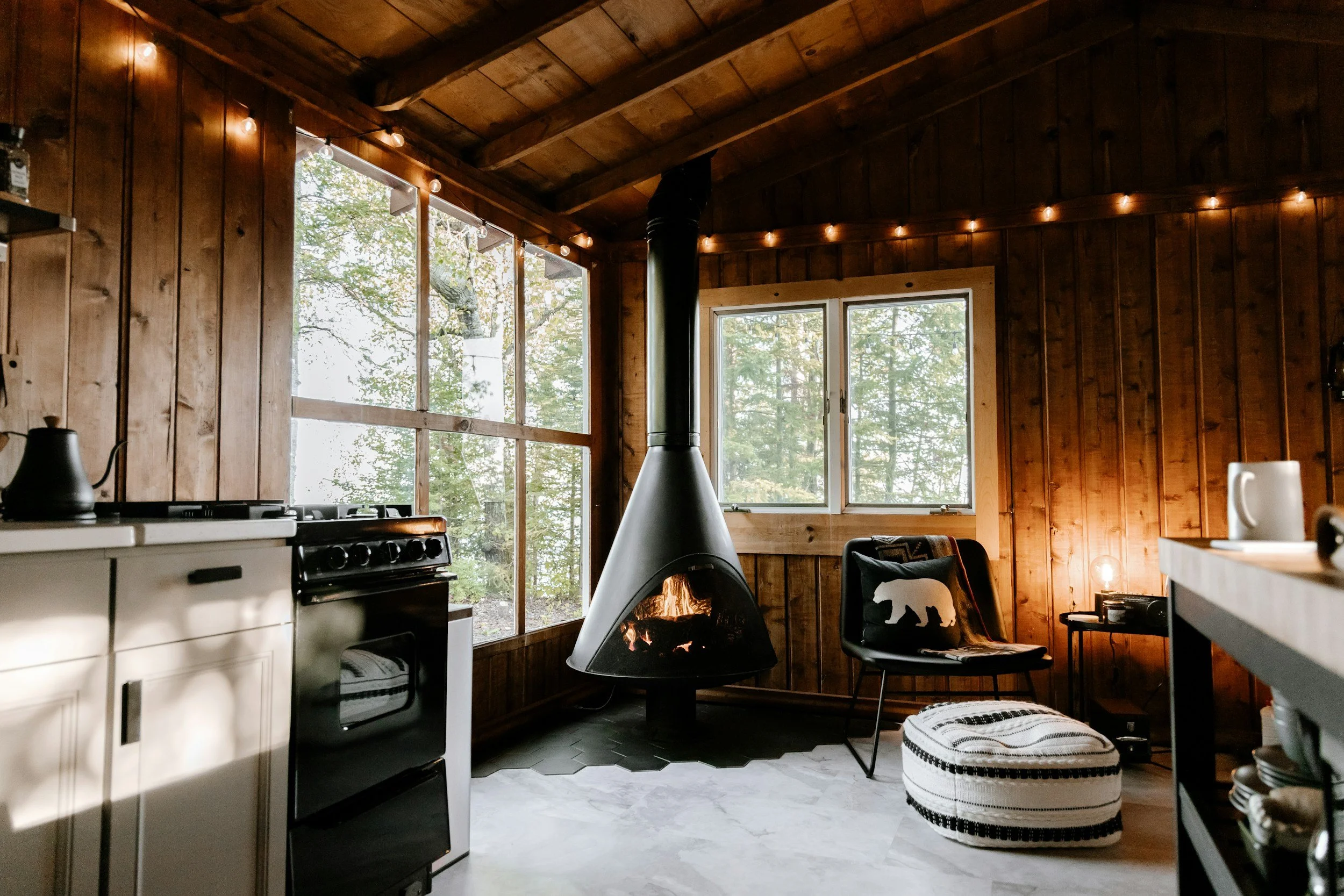
Luxury in in my perspective, is defined by pace. Travelers are intentionally resisting the urge to over-schedule and over-consume. Instead, they are opting for slow travel and itineraries that allow space to arrive, adapt, and exhale.
Key characteristics include:
One or two bases rather than constant movement
Unstructured mornings and open afternoons
Activities chosen by energy level, not obligation
Time to return to the same café, trail, or view
This kind of pacing allows travel to feel restorative rather than exhausting, whilst naturally supporting wellness, even when wellness is not the primary focus.
3. The Rail Revival: Travel as a Journey, Not a Transfer
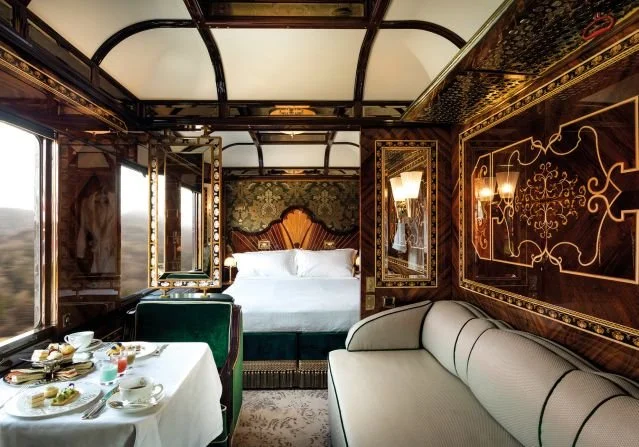
Photo courtesy of Belmond
In 2026, trains are no longer viewed simply as transportation, they are a key part of the experience that support slow, immersive movement through landscapes.
Rail offers:
Reduced sensory overload compared to air travel
A continuous sense of place rather than fragmented hops
The ability to rest, read, dine, and observe while moving
Luxury and scenic rail journeys, including overnight sleeper experiences such as those operated by Belmond, are emblematic of this trend. Their trains are designed as moving hotels; spaces where dining, design, service, and scenery are part of the experience itself.
Elsewhere, iconic routes like the Alaska Railroad demonstrate how rail can support adventure while remaining accessible and low-impact, offering dramatic landscapes without demanding physical intensity.
In short, it restores the idea that the journey matters.
4. Adventure With Comfort, Not Extremes
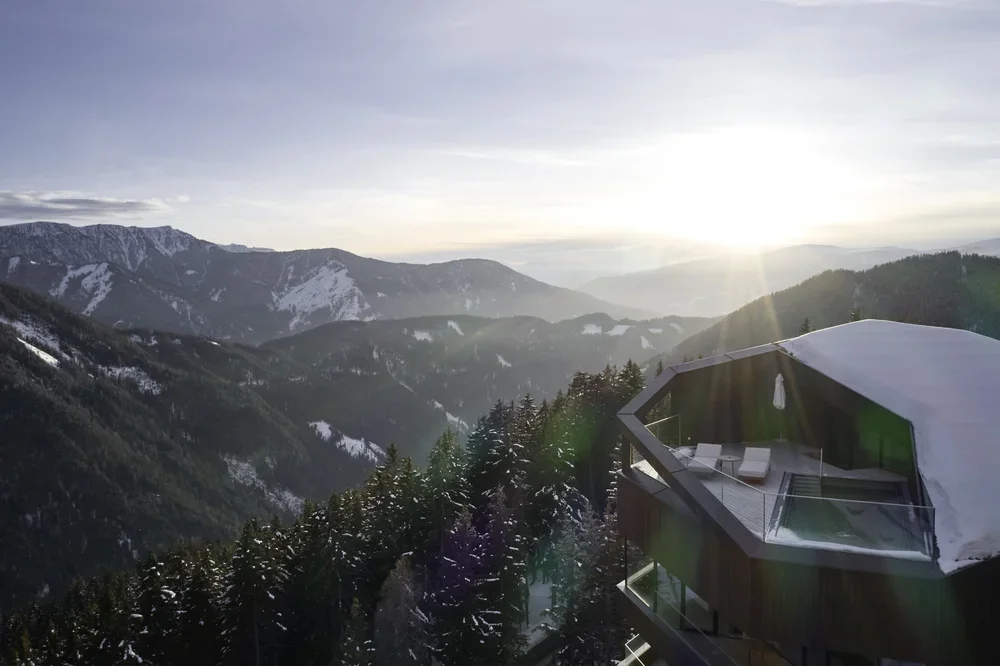
Photo courtesy of Forestis, Dolomites
Adventure travel in 2026 is becoming more inclusive, flexible, and designed around comfort. Rather than pushing physical limits, travelers are seeking adventure that can adapt to different bodies, energy levels, and life stages.
This looks like:
Scenic hikes with optional extensions
E-biking instead of endurance cycling
Kayaking, coastal walks, wildlife viewing, and rail-linked exploration
Adventure paired with comfort, good food, and quality rest
Adventure becomes something that enhances well-being, not something that depletes it.
5. Non-Viral Destinations and Conscious Choices
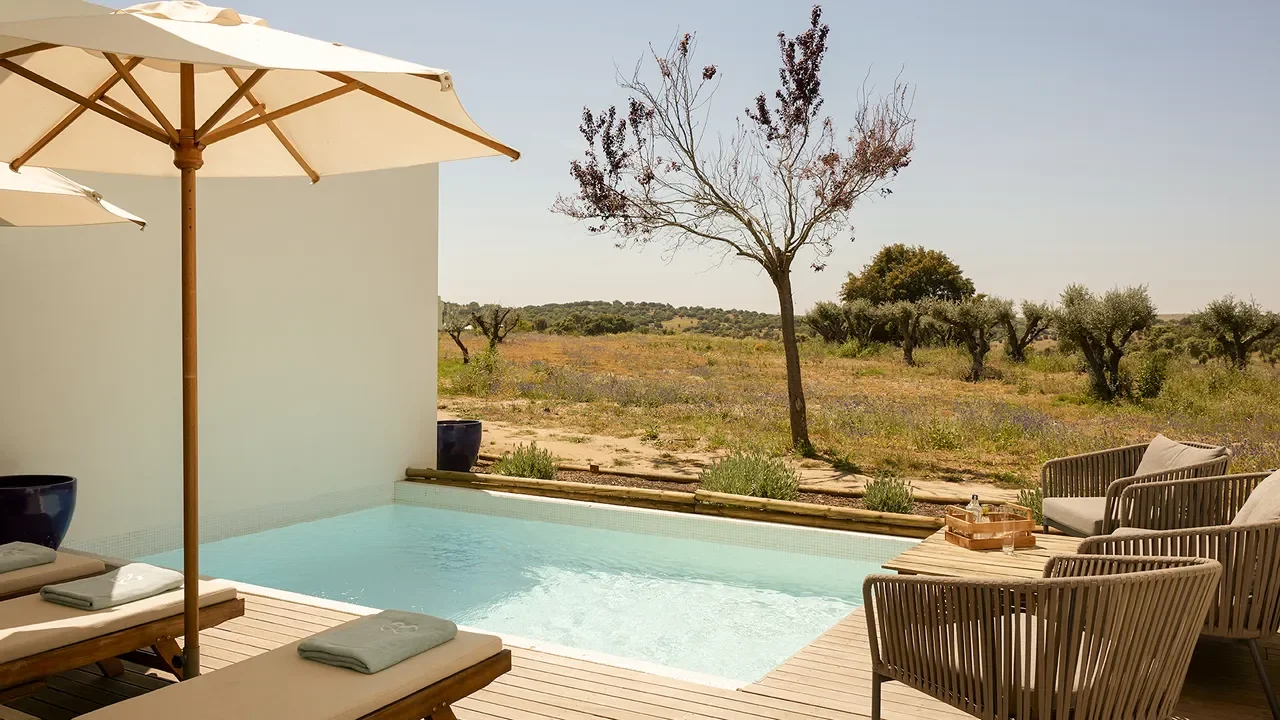
Photo courtesy of Octant Hotels
Another defining trend is the move away from hyper-popular, over-exposed destinations. Travelers are increasingly choosing non-viral places. Not because they are obscure, but because they allow for presence, authenticity, and sustainability.
These destinations often offer:
Lower visitor density
Strong local identity
Better relationships between guests and hosts
Reduced environmental strain
This shift aligns with a broader preference for conscious and sustainable travel, including:
Overland routes instead of short-haul flights
Properties with strong environmental and community practices
Locally owned hotels and guides
Longer stays that reduce travel churn
Sustainability in 2026 is less about perfection and more about purposeful choices.
The Takeaway: Travel That Reflects Who You Are
The defining travel trend of 2026 is not a destination, it’s intention.
People are traveling to express who they are, how they live, and what they value. Hotels and accommodations are becoming personal statements. Rail journeys are reclaiming their role as meaningful experiences. Adventure is evolving to meet travelers where they are. And slower, more conscious pacing is becoming the ultimate luxury.
In this new era, the question is no longer: “How much can I see?” But rather: “How do I want this journey to feel? And what kind of version of myself do I want to return as?”
Let's plan your 2026 purposeful travel together.
